(604)732-7678
2526 W 5th Ave, Vancouver, BC V6K 1T1

Author: Tim Louis

Leading Accidents that Result in Concussion

A concussion is a mild form of Traumatic brain injury (TBI) that affects brain function and usually caused by a blow to the head, bump, violent shake or any blunt force to the area. Concussions are usually temporary but are a common result of motor vehicle accidents or any other form of personal injury. It’s important to note that even a violent shake of the upper body can cause a concussion.

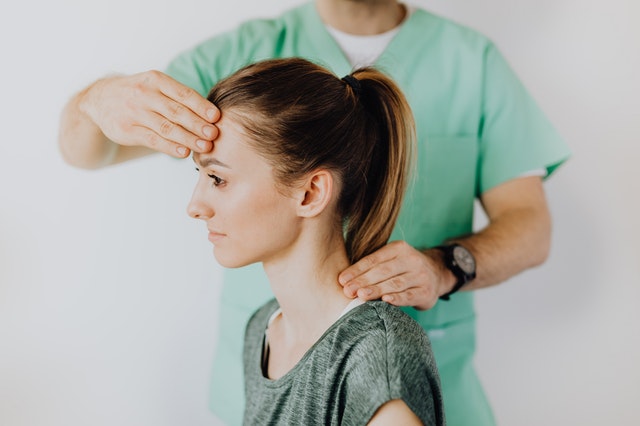
Neck Massage on Patient After Concussion | Tim Louis and Company
Most of those who suffer from a concussion, recover quickly and fully. However, in more serious cases, symptoms can last for weeks or longer.

Symptoms of a Concussion

It’s important to know that concussions don’t always present symptoms. If symptoms do show up, they may not present themselves right away and can last for days, weeks or longer. The most common symptoms of a concussive traumatic brain injury are amnesia (memory loss), headaches and disorientation.

Physical Symptoms of Concussion:

  • Ears ringing
  • Headaches
  • Nausea
  • Vomiting
  • Fatigue
  • Blurry vision
  • Fluid or blood draining from the nose or ears

Other symptoms may include:

  • The inability to remember the traumatic event that caused the concussion
  • Confusion
  • Feeling of dizziness / Confusion
  • Problems with speech
  • Sleep disturbances
  • Feelings of depression, nervousness and/or anxiety
  • Feeling isolated or alone

When to Seek Medical Attention

Seek medical attention immediately if you or your child has suffered from a head injury – even if emergency care isn’t required.

Leading Accidents that Result in Concussion:

Motor Vehicle Related Injury

Motor vehicle accidents are a common cause of mild or severe TBIs or concussions. These head injuries can occur from any head injury such as hitting the dashboard, driver window or another passenger.

Slip & Falls

When you think about a slip and fall injury, you probably imagine sprains, broken bones, bad bruises or pulled tendons. Head injuries though are very common – so common in fact that they are one of the leading causes of mild to very severe, life-changing forms of concussion.

Any of these slip and fall accidents can result in a mild to severe concussion:

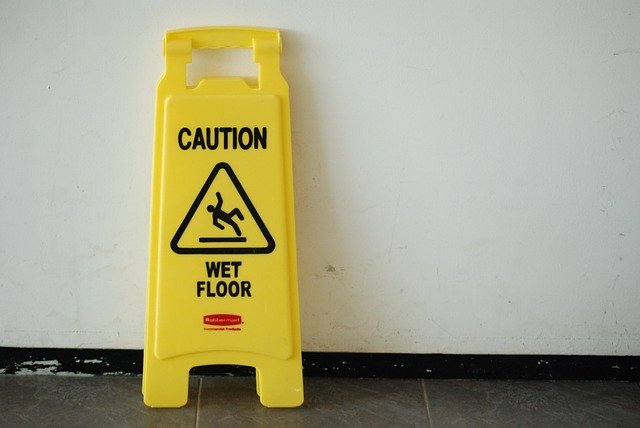
  • Slipping on the wet floor
  • Falling in a store and knocking your head on the floor or against a shelf
  • Tripping over an obstacle or crack on the sidewalk resulting in a blow to the head
  • Falling in around someone’s residence and knocking your head

Assaults

It’s obvious that victims of any type of physical assault are at risk for having a concussion. Any blow to the head, twist and or fall can result in a mild to serious head injury.

Playing Sports

The Public Health Agency of Canada Reports that for females, approximately 20,000 (45%) of brain injuries result from sports and recreation. For males, approximately 26,000 (54%) of brain injuries result from sports or recreational injuries.

According to the Canadian Hospitals Injury Reporting and Prevention Program (CHIRPP), Ice Hockey, Rugby and Ringette are the most common sports with the highest the proportion of brain injuries among children and youth 5-19 years of age, ranging from 27% to 44% of all injuries that happened while playing these sports.

According to the government of Canada, 1 in 2 Canadians has little to no knowledge about concussions. Since only 4 in 10 Canadians are aware of available concussion tools and resources, we have added some reliable and trusted sources below to learn more about the causes and treatment of mild or severe concussions.

Contact A Trusted Personal Injury Lawyer

If you or a loved one has suffered from a mild or severe concussion resulting from a motor vehicle collision, or slip and fall, Tim Louis and his compassionate and talented legal team can give you the reliable, trusted advice you require. Contact us today for a free consultation at 604-732-7678 or TimLouis@TimLouisLaw.com

Sources:

https://www.canada.ca/en/public-health/services/diseases/concussion-sign-symptoms/concussion-sport-infographic.html

https://my.clevelandclinic.org/health/diseases/15038-concussion

Personal Injury Claims for Children

For any parent or guardian, knowing that a child in their care has been injured can be a stressful ordeal. Of course, the number one concern after a vehicle collision is the child’s well being. However, if you are unsure about the next steps to take after an accident, we have gathered essential information necessary to ensure your child’s personal injury claim is filed. Note it is always best to contact an experienced personal injury lawyer to alleviate the stress of dealing with a complex claim involving children.

Personal Injury Claims for Minors

Personal Injury Claim for Your Kids | Tim Louis & Company Law in Vancouver
Personal injury claims for children can be an intricate and complex process. As much as you may want to just focus on your child’s health during this difficult, stressful time, it’s important to be aware of the steps necessary to ensure that your child’s injury resulting from an accident is documented and a personal injury claim is submitted as soon as possible.

Start a Claim As Soon As Possible

It is always ideal to start a claim sooner rather than later. If a claim is submitted immediately, key evidence can be submitted before it is lost and any witnesses will still have clear details of the accident fresh in their mind — which will, in turn, help the claim.

Children do not always have the ability to articulate express their feelings – so documenting any changes in mood and behaviour is important. Children’s claims can span a number of years — another good reason to start a claim immediately and document every detail along the way.

How Long Does a Child Have to Make a Personal Injury Claim?

Another good reason to start a claim right away is the fact that there can be certain time limits to adhere to. As an example, if a child has been injured in a vehicle collision, he or she may be entitled to ICBC part 7 benefits (a no-fault portion of ICBC insurance coverage). http://www.bclaws.ca/civix/document/id/complete/statreg/447_83_07

ICBC Part 7 Benefits include the following:

  • Medical and rehabilitation benefits
  • Funeral and death benefits
  • Disability (lost earnings) benefits

The most commonly known limitation for child claims is 2 years, which doesn’t start until the child turns 19. Another less common limitation in relation to ICBC is also 2 years, but begins right after the crash occurred – and can end as early as the 1-year mark after the accident occurred.

Compensation Settlements for Children

BC law recognizes that children under the age of 19 may be unaware of their rights and may not be able to fully understand the complexities of the situation and are unable to represent themselves. For this reason, minors are prohibited from representing themselves and require an adult to submit the personal injury claim on their behalf. There are 2 options available:

1. A litigation guardian can be appointed
(Typically a parent or close relative will pursue a claim on the child’s behalf)

2. The child may wait until their 19th birthday to pursue a claim. When this happens, he/she has 2 years in which to submit a claim (must be settled by his/her 21st birthday).

Speak to a Lawyer Right After Your Child’s Accident

Personal injury cases involving children are extremely complex. If you or your child has been injured in a motor vehicle collision in Metro Vancouver, Tim Louis and his compassionate and experienced team can give you the reliable and trusted advice you deserve, deal with ICBC on your behalf and ensure that the limitation for your child’s Part 7 ICBC benefits does not get missed. Contact us today for a free consultation and we’ll do everything we possibly can to get the personal injury settlement your child deserves. Contact 604-732-7678 or timlouis@timlouislaw.com. We’re here to help.

Sources:
http://www.bclaws.ca/civix/document/id/complete/statreg/447_83_07

Repetitive Strain Injuries: What You Need to Know

When we think about workplace injuries, we often think about slip-and-fall accidents, injuries resulting from falling objects or the various back and neck strains that come with the territory within many workplaces. However, some work-related accidents are often far less dramatic.

A number of injuries occur over time, through constant repetition of daily tasks, which negatively impact the body causing strain to sensitive joints and muscle groups. These repetitive strain injuries, or RSI, can have a long-lasting effect on our health and daily life.

Injuries Resulting From Repetitive Motion

A Repetitive Strain Injury, whether it is temporary or permanent, will need rest or a change in daily habit that provides time to heal. It is crucial to see a medical professional right away to prevent any further damage to the muscles, ligaments, nerves or tendons through continuous, repetitive motion.

Most Common Repetitive Strain Injuries

typingRepetitive Strain Injuries (RSI) can result from a buildup of damage to muscles, tendons, and nerves from repetitive motion or strain on specific parts of the body. Repetitive Strain Injuries are quite common and may be caused by a variety of common work activities, including:


  • Using a computer mouse or trackpad
  • Excessive typing (data entry)
  • Swiping items at a supermarket checkout/cash register use
  • Grasping and manipulating tools
  • Working in an assembly line environment
  • Training for sports or other athletic activities

Some commonly diagnosed Repetitive Strain Injuries are:

  • Tendonitis (inflammation of the tendon)
  • Pertendonitis (inflammation of the sheath of a tendon)
  • Trigger finger (difficulty bending or straightening any of the fingers which is caused by inflammation and thickening of the tendon)
  • Tenosynovitis (inflammation of the fluid-filled sheath that surrounds a tendon causing joint pain and stiffness)
  • Carpal Tunnel Syndrome (numbness, tingling and pain in the hand or arm resulting from compression of the median nerve which is squeezed as it travels through the wrist
  • Epicondylitis (inflammation of tendons surrounding an epicondyle)
  • Bursitis (inflammation of the bursa sac which is common around the elbow, hips, knees and shoulder)

Repetitive Strain Injuries

What Are the Symptoms?

There are many possible causes of repetitive strain injuries and a wide range of symptoms that result. Tenderness or pain the affected muscle or joints are common, a throbbing or pulsating sensation in the affected area and or tingling in the hands or arms. Any other symptoms will depend on which part of the body is affected.

It’s important that you visit a medical professional for a proper diagnosis as soon as you experience symptoms to prevent any further damage over time.

Repetitive Strain Injury Prevention

The primary ways in which you can reduce the risk is to stop or limit the intensity of the activity. If the activity cannot be stopped, tips for reducing the risk may include:

Taking breaks: Taking regular breaks from any repetitive task may help reduce the strain on your body.

Stand up: Standing up, stretching and frequently moving your limbs may reduce the risk. Stretch your back, arms, fingers and legs regularly.

Vision break: Rest your eye muscles by looking up and staring for a moment at objects in the distance or simply looking around the room. The key is to give your eyes a regular break from screen time.

exerciseOverall health: Eat healthy and get regular exercise to keep your body as resilient as possible, and try to avoid smoking, as this reduces blood flow and oxygen in the body.

Posture: Try to keep yourself from slouching. Ensure your desk, chair and computer screen are aligned as much as you can in an ergonomic setting.

Wrists: Avoid bending or overextending your wrists, and keep the arms, wrists and fingers aligned when typing as much as possible.

Typing: Try to touch type as much as possible and avoid hitting your keys too hard.

Keyboard Shortcuts: Try to use keyboard shortcuts whenever possible, as this can reduce the amount of typing needed.

Mouse or Track-pad: Do not grip too tight or press too hard, and try to slow your speed in order to reduce muscle tension in your hand and wrist.

Temperature: Keep an eye on the temperature of your work area and regulate where necessary.

Phone Use: If you need to use a phone while working, try wearing a headset as this will keep you from needed to grip the phone for long periods or needing to clamp the phone between your head and shoulder.

You can trust Tim Louis & Company to ensure the best possible outcome for your personal injury case

These common RSI injuries can have a lasting impact on one’s health and quality of life. If you or a loved one has experienced a serious injury while on the job, contact Tim Louis and his compassionate and experienced legal team today by calling 604-732-7678 or email timlouis@timlouislaw.com.

Sources:
https://www.enjuris.com/workplace-injury/repetitive-strain-injuries-work.html

https://my.clevelandclinic.org/health/diseases/17424-repetitive-stress-injury

https://www.mayoclinic.org/healthy-lifestyle/fitness/in-depth/overuse-injury/art-20045875

Fibromyalgia & Chronic Pain

Fibromyalgia & Chronic Pain

Fibromyalgia & Chronic Pain – we can help!

Fibromyalgia is a neurological condition that causes widespread musculoskeletal pain that can be triggered by physical trauma to the body from an accident or from the mental stress of dealing with an injury. 

For years, Fibromyalgia was often misdiagnosed. Today, medical professionals recognize Fibromyalgia & Chronic Pain as a chronic medical condition that can cause extreme pain for both men and women. According to the Arthritis Society, Fibromyalgia affects 2% of Canadians with 80 to 90% of patients with Fibromyalgia being women. 

Fibromyalgia is not life-threatening; nor is it damaging to muscles, joints or organs. However, it does impact one’s quality of life. Living with chronic pain can prevent patients from working, socializing and even completing day-to-day tasks. 

If you or a loved one is suffering from Fibromyalgia resulting from an accident, contact our trusted and experienced team at Tim Louis & Associates.

Fibromyalgia Symptoms 

Fibromyalgia & Chronic Pain - Get the help you needPain is the most common symptom of Fibromyalgia. Patients may experience widespread or specific pain in certain areas of the body, which may include the neck, back, chest, arms and/or legs. Often the pain is felt when firm pressure is applied to muscles, tendons and or soft tissue. 

Other symptoms may include: 

  • Headaches 
  • Extreme sensitivity to touch 
  • Stiff muscles 
  • Irritability 
  • Widespread pain all over the body, with some areas worse than others 
  • Fatigue 
  • Cognitive issues also known as ‘brain fog’ 
  • Irritable Bowel Syndrome (IBS)
  • Disturbed sleep 
  • Abnormal temperature regulation 

Other Symptoms 

  • Restless leg syndrome 
  • Depression and or anxiety 
  • Painful periods 
  • Occasional dizziness 
  • Extreme sensitivity to temperature and scents 

Fibromyalgia Causes 

The exact cause of fibromyalgia is still unknown. For certain people, FM can be the result of a stressful, traumatic event such as a vehicle collision or can be triggered as a result of repetitive injuries, certain diseases, or illness. Research studies have also found that there is a genetic component to Fibromyalgia. 

Diagnosis 

While there are no lab tests to confirm a Fibromyalgia diagnosis, there may be other illnesses that present the same symptoms. A doctor may want to order blood tests to rule out other conditions that may include:

  • Cyclic sedimentation rate test 
  • Complete blood count test 
  • Rheumatoid factor test 
  • Thyroid function test 
  • Erythrocyte sedimentation rate 

Additional tests may be ordered depending on symptoms, which may include X-rays or an EMG to test the muscle’s electrical activity.

Treatment 

Although there is no cure for Fibromyalgia, certain medications that can help reduce and manage pain or other symptoms associated with FM. Your doctor will recommend the best options for your unique needs. These medications may include: 

  • Pain relievers (over-the-counter or prescription) 
  • Anti-seizure medication 
  • Anti-depressants 

Fibromyalgia & Chronic Pain Relief

Research has shown that Fibromyalgia patients can reduce symptoms with proper self-care and lifestyle changes. Adequate sleep, managing stress and practicing low impact exercises such as water therapy and aerobics can help reduce symptoms over time. It’s important to consult with a medical professional that can recommend the right treatment to benefit a Fibromyalgia patient’s unique needs. 

We Will Help Get You Compensation for Your Fibromyalgia & Chronic Pain 

Fibromyalgia is a painful illness that can affect one’s quality of life and cause chronic pain. If you or a loved one is suffering from Fibromyalgia resulting from an accident, contact our trusted and experienced team at Tim Louis & Associates. Our goal is to help you get the compensation you deserve. Book a free consultation with us today by contacting us at 604-732-7678 or email: timlouis@timlouislaw.com 

Sources: 

https://www.mayoclinic.org/diseases-conditions/fibromyalgia/diagnosis-treatment/drc-20354785 

https://arthritis.ca/about-arthritis/arthritis-types-(a-z)/types/fibromyalgia 


Injured on Someone Else’s Property? What You Should Know

Vancouver Slip and Fall Lawyer

Injured on Someone Else’s Property?

Contact Tim Louis – Long-Term Disability and Personal Injury Lawyer

According to a 2017 Canadian Institute for Health Information report, falls were the number one cause of injuries leading to hospitalization in Canada. It is common for these types of falls to be caused by businesses or property owners who neglect their duty to ensure that their property is reasonably safe.

If you are injured on someone else’s property due to unsafe conditions, you may be entitled to receive compensation for your injury. The property owner (known legally as “occupier”) is responsible for keeping their premise safe, and failure to do so can result in a potential injury that would otherwise not have happened.

An occupier may refer to the person in charge of caring for the property, or the physical owner of the premises, which may include:

  • Business Owners
  • Homeowners
  • Landlords
  • Companies
  • Government Agencies

Injured? Occupier’s Liability Act

In British Columbia, slip and fall claims are Occupier’s Liability Act (OLA) claims.

http://www.bclaws.ca/civix/document/id/complete/statreg/96337_01

If an individual slips and falls or is injured on someone else’s property due to hazardous conditions, they may be entitled to compensation that could cover one’s medical costs, out of pocket costs, lost income and or pain and suffering resulting from the injury.

How Much is Your Slip and Fall Claim Worth?

This is a common question clients ask lawyers and is complex to answer. A number of factors are considered before assessing the value of a claim such as the severity of the injury and how much the injury has impacted your life, your ability to earn a living and your personal well-being.

Do You Have a Slip and Fall Case?

In order to determine whether you are entitled to slip and fall compensation is dependent on whether you have a valid claim.

If you have suffered from a slip and fall injury resulting from a dangerous condition on a property (i.e. lack of lighting, unmarked spills, icy driveways) the owner or occupier may be liable if it can be proven that they were aware of the hazard and neglected to take reasonable measures to rectify the issue.

Document Your Injury Experience for Evidence

documentationInsurance companies can make your life quite difficult during a slip and fall claim and will deny cases due to a lack of evidence.

If you are injured, it is important to cross your T’s and dot your I’s when it comes to documenting your experience so you have as much evidence as possible to support your personal injury claim.

Seek Medical Attention Immediately After a Slip or Fall

If you suffer from a fall on someone else’s property, ensure that you seek medical attention straight away. Whether your injury is serious or not, it is always recommended that you visit your doctor or hospital as soon as possible (ideally within 24 hours of being injured).

Keep in mind that symptoms for injuries don’t always present themselves immediately – another important reason to get checked out regardless of how your body feels.

Document Any Witnesses

If there are any witnesses, write down their names and numbers to assist with your case. Your insurance company or lawyer will ask for witness contact information as this will help with your claim.

If you are able, pull out your phone and take photos of the exact location your injury occurred. You can never have too much documentation to support your liability claim. If you were unable to take pictures of the scene, ask a friend or family member to take photos on your behalf.

Speak to Your Lawyer Before Signing Any Document

It’s integral to know that you should never sign anything without speaking to a lawyer first. An experienced personal injury lawyer will ensure your rights are not being violated and protect the integrity of your claim.

Contact a Personal Injury Lawyer You Can Trust

You can trust Tim Louis & Company to ensure the best possible outcome for your slip and fall-related personal injury case. Contact us today (604) 732-7678 or email timlouis@timlouislaw.com

Sources:

https://globalnews.ca/news/4315219/falls-most-common-injury-canada/

https://globalnews.ca/news/3576912/injury-related-hospitalizations-canada/

http://www.bclaws.ca/civix/document/id/complete/statreg/96337_01


The Most Common Personal Injuries During the Holidays & How to Avoid Them

During the holidays, we should all take the time to relax and enjoy the season. However, in reality – constraints on time, multi-tasking, or overextending ourselves and even bad weather all have the potential to lead to an injury.

We’ve compiled a list of the most common personal injuries that happen during the holidays and how you can prevent them.

Slipping Outside On Ice or Snow

caution sign

We all know that ice and snow are common hazards. Wearing appropriate footwear with reasonable tread goes a long way. Take extra care going down steps or hills and be sure to hang on to any railings available to you if possible. Take your time and don’t rush! If you own property, it is your legal obligation to ensure snow and ice are cleared on the premise.

Driving in Bad Weather

Drivers in Metro Vancouver tend to have a sense of urgency during the holidays. Even when the weather is not optimal, which can be hazardous. Installing the appropriate winter tires is a give-in as well as practicing safe driving techniques, which include lowering your speed and planning your route ahead – allowing yourself extra time to reach a destination.

winter driving

Holiday Events

Tis’ the season for holiday parties and corporate gatherings – it’s an exciting time for many. However, since alcohol is offered at many of these gatherings, car accidents increase around the holiday season. Planning ahead and arranging a taxi ahead of time or having a designated driver accompany you is the simple solution to avoid drunk driving accidents.

Don’t Overexert Yourself

During the holidays we tend to overextend ourselves – whether it is at work trying to meet a deadline before the Christmas holiday rush or struggling to get those decorations set up for an upcoming Christmas party. Holiday shopping, cleaning, and even cooking can be a hazard if you rush through or overextend yourself to complete these tasks faster.

If you are lifting alone, remember to practice safe lifting techniques by bending your legs at the knees. Always have a spotter when climbing a ladder – you’d be surprised at how many people suffer from ladder accidents during the holidays.

Workplace Injuries

During the holidays, business booms, putting extra pressure on employees to keep up with additional work demands. Extended hours and an increase in customer demand can put employees at higher risk for slips and falls and general accidents. Overextension, extra lifting, and moving at a faster pace than usual can potentially cause injury to one’s back and or neck. While working at a quicker pace, employees can easily forget to practice safety procedures, resulting in a musculoskeletal injury.

  • Plan enough time to complete your tasks
  • Avoid rushing if possible
  • Practice safe lifting techniques
  • Always take extra care climbing ladders (have someone spot you)
  • Wear shoes with good traction
  • Be cautious – watching out for wet floors

If you do get injured at the workplace, ensure that you report it immediately and seek the proper documentation. Follow all procedures, and fill out any documentation necessary. If you need to visit a doctor, make sure you communicate all details of the injury to your doctor for documentation purposes.

Employers should provide a safe environment for their employees. Ensuring a safe workspace with no visible hazards and providing mandatory safety training is a proactive way to prevent employees from injuring themselves on the job. Practicing safety protocols year-round and planning ahead to anticipate the holiday rush – this can help lower the risk of employee injuries during the holidays.

wet floor sign

Ensure Gifts Are Safe

It’s important to ensure that toys given to our loved ones are safe. The Consumer Product Safety Commission (CPSC) recalls millions of toys each year. Take Justice Back published a list of the ten most dangerous toys of all time in 2012:

http://www.takejusticeback.com/news/10-most-dangerous-toys-all-time

Even today, there are still many products released that can be considered unsafe for children and adults. You can check an updated list of recalled items here:

https://www.healthycanadians.gc.ca/recall-alert-rappel-avis/index-eng.php

What You Should Do When Holiday Accidents Happen

Sometimes you can follow all safety precautions yet still get injured or find yourself involved in an accident. Always document your injury and seek treatment right away – this will ensure the process is as smooth as possible. If you find yourself involved in an accident with another party, make sure you document all details of the incident from beginning to end and seek medical treatment immediately.

If you find yourself in need of legal representation, contact a trusted, experienced personal injury lawyer who can provide you with the monetary compensation you deserve. You can trust Tim Louis & Company to ensure the best possible outcome for your personal injury case. Contact us today (604) 732-7678 or email timlouis@timlouislaw.com

sources:

https://www2.gov.bc.ca/gov/content/careers-myhr/managers-supervisors/occupational-health-safety/worksafebc-reporting

Top 5 Mechanical Failures that Cause Car Accidents

car accidents

Mechanical Failures that Cause Car Accidents

With car accidents a regular daily occurrence, it is not always clear what the underlying cause is until a thorough investigation has been concluded. With a number of accidents attributed to excessive speed, driving under the influence, driver error or weather conditions – it can be easy to forget that some accidents are caused simply due to the neglect of routine maintenance — leading to vehicle complications or even mechanical failure if left unchecked.

Keeping your vehicle maintained can go a long way in avoiding accidents caused by mechanical failures. Here are a few of the most common mechanical failures and what to look out for to ensure your vehicle is in tip-top shape:

Prevent Car Accidents – Check Your Brakes

brake padsBrakes are an essential safety feature we use as drivers on the road. However, brakes can also be one of the most ignored when it comes to routine checks – often being left completely worn before a proper inspection or needed replacement. If your brakes are not properly maintained, you could find yourself braking harder on the road,
throwing off drivers behind you, or prevent you from stopping – injuring other drivers, pedestrians or yourself and your passengers.

Here are some early signs of brake wear to look out for:

  • Excessive vibration when applying pressure to your brakes
  • Reduced responsiveness while braking (spongy or soft brake pedal)
  • Noticeable pulling when applying pressure to your brakes
  • Frequent or infrequent squealing or screeching noises while braking
  • Loud metallic grinding noises coming from your brakes

Tires – maintain them to prevent car accidents

Your vehicle’s tires keep you moving – gripping the road through poor road conditions, ensuring that you arrive at your destination safe and sound. This is why it is crucial to conduct routine checks on your tires daily and before taking any extended trips – ensuring your tires are in the best shape possible.

Early signs that you may need to have your tires rotated or replaced can include:

  • Bulges, gouges, or cracks in the tire or tire sidewall
  • Significant and/or uneven tread wear
  • Tires losing pressure or deflating faster than normal
  • Excessive vibration while driving

brake light

Headlights/Taillights/Brake Lights

The lights on your vehicle allow you to see – and be seen. This makes them one of the most important safety features for your vehicle in terms of accident prevention while driving. However, lights do fail — which is why you should be conducting a routine inspection of all lighting systems on your vehicle before driving.

Signs that you may need to have your headlights or taillights inspected or replaced can include:

  • Significant dimming over time
  • Flickering or random fading
  • One or multiple bulbs going dark
  • Significant time passing (better safe than sorry)

Malfunctioning Windshield Wipers can Cause Car Accidents

windshield wipersWindshield wipers can make a big difference in overall driver safety and visibility — removing dirt, rain, and snow – while running for hours at a time to keep your view of the road clear at all times.

Unfortunately, windshield wipers do wear over time – often warping, cracking or even tearing from long-term use in heavy weather — this can cause them to lose their flexibility and even fail altogether. You should always keep an eye on your wipers and check them daily to ensure they are functioning properly.

Signs that you may need to have your windshield wipers replaced can include:

  • Streaking
  • Unusual noise or squealing
  • Skidding or Irregular movement
  • Ragged or distorted blades

Contact A Personal Injury Lawyer

Drivers and passengers who are injured in accidents that are the result of mechanical failure may wish to contact a personal injury lawyer. Contact our compassionate and experienced legal team at Tim Louis Law & Associates. We will help build your claim for the compensation you deserve.
To book your free consultation, call 604-732-7678, or email timlouis@timlouislaw.com. We’re here to help.

Common Workplace Injuries

Prevent Workplace Injuries

When we think about workplace injuries, what often comes to mind are high-risk occupations in construction, manufacturing, or those dealing with hazardous materials – but the fact is, workplace injuries happen across all industries, in all occupations – and most of them are entirely preventable with proper care and preparation.

workplace injuries

Workplace Injuries

Although the types of injury commonly sustained at work are as numerous as the number of jobs that can be listed – some of the more common and preventable injuries are:

Strains/Sprains

These types of injuries also referred to as “repetitive strain injuries (RSI)” or “musculoskeletal disorders” are very common workplace injuries due to the number of occupations dealing with repetitive tasks throughout the day.

Some of the more frequent causes of these injuries can include:

  • Repetitive or vigorous movement over long periods of time
  • Lack of movement/holding your posture or limbs in an unnatural position for long periods
  • Overusing a particular group of muscles
  • Poor posture or a non-ergonomically designed workspace

Back Injuries

back pain

Injuries related to the back are common among numerous occupations and can have an affect — both personally and professionally, long after the initial injury itself. Some of the more common factors resulting in back-related injury can include:

  • Repetitive lifting or moving of heavy objects, reaching or bending
  • Sustained whole-body vibration or jarring from the use of machinery
  • Poor posture, improper or inadequate back support seating in the workplace
  • Prolonged periods of inactivity

Head Injuries

A head injury can be serious and can lead to contusions, hematomas (bleeding in the brain), and concussions. Unfortunately, it’s not uncommon in the workplace –, especially in manufacturing and construction industries. ‘Closed’ head injuries do not pierce the skull and “open” head injuries happen when an object has pierced through the skull, causing possible brain injury. Generally, recovery time may be longer than other common workplace injuries, although most people fully recover from minor to moderate head injuries.

Some of the more frequent causes:

  • Being hit by falling or flying objects
  • Slipping or tripping and falling
  • Falling from above such as tumbling down stairs or falling off a ladder
  • Walking into objects such as a wall, cabinet or glass window

Herniated/Bulging Discs

Both herniated and bulging discs can affect a person’s nerves, tendons, muscles, and joints. These are common injuries and can result from repetitive motion trauma and or soft tissue disorders resulting from a workplace injury. If you injure your back or neck, a spinal disc can move out of place and can bulge outward from between the vertebrae — putting pressure on spinal nerves. Sciatica (nerve pain radiating down one leg) is a
common symptom of a herniating disc injury, as well as numbing, tingling pain in the legs and weakness in the back and legs.

Some of the more frequent causes of these injuries can include:

  • Heavy lifting and overexertion
  • Hard blows to the lower back
  • Ongoing, repetitive motion
  • Sitting for extended periods of time in an awkward position
  • Slip, trip or fall

PREVENTION:

workplace safety

With a little care and consideration, most of the workplace injuries we’ve listed can be prevented with proper understanding and preparation. Some of the methods for preventing these common injuries are:

  • Proper lifting techniques
  • Make exercise a part of your daily routine
  • Listen to your body
  • Pay attention to posture and form
  • Proper protective gear such as helmets to protect the head from injury
  • Safety training, preparation, and education on behalf of the employer

These common workplace injuries can have a lasting impact on one’s health and quality of life. If you or a loved one has experienced a serious injury while on the job, contact Tim Louis and his compassionate and experienced legal team today: 604-732-7678

Post Traumatic Stress Disorder

Post Traumatic Stress Disorder

Experiencing a traumatic event can have a lasting effect — both physically and psychologically. Post Traumatic Stress Disorder can remain with you for months, years or even indefinitely if the initial trauma is significant enough. This is why post-traumatic stress disorder is a common condition affecting the mental health of so many people — specifically those who have sustained a personal injury through workplace or traffic-related incidents.

What is Post Traumatic Stress Disorder?

post traumatic stress disorderThe Mayo Clinic defines post-traumatic stress disorder as a condition triggered by an extremely horrific experience -– whether a person is directly involved in the event itself, or just an outside observer.

Although popular media and literature commonly associates PTSD with trauma resulting from active military combat, exposure to a natural disaster or violent physical assault, the simple fact is PTSD can be brought on by any trauma that is severe enough to affect the individual on a deep psychological level. This can include trauma and/or personal injuries sustained through workplace injuries, traffic accidents, or many other common traumatic events.

Symptoms of PTSD

Post Traumatic Stress DisorderWhen someone is injured during a traumatic event, they may have more than physical injuries to contend with. They may find themselves feeling anxious or extremely keyed up (also known as hyper-arousal) or on edge.

So, how do can someone know if they have PTSD? Many common signs of PTSD can include:

Avoiding Reminders of the Traumatic Event

Avoiding locations associated with the trauma, such as a frequently used intersection – or even previously common activities such as driving or riding in a vehicle.

Fear and Sensations of Helplessness

When you are in an accident, it makes you feel immensely helpless and at the mercy of outside forces beyond your control. People who suffer from PTSD often suffer rapid onset of extreme fear or feelings of helplessness that can become a real barrier to their day-to-day life.

Physical Symptoms

Dealing with many of the psychological aspects of trauma can also have a direct physical effect on those dealing with PTSD – such as rapid heartbeat, difficulty breathing, chills, sweating and other physical symptoms. Uncontrollable Thoughts Constant anxiety and fear can lead those who have experienced trauma to have thoughts that simply won’t go away. These negative thoughts can be overwhelming; often needing medical assistance or long-term therapy.

Difficulty Concentrating or Sleeping

insomnia ptsdAn individual dealing with PTSD-related symptoms can often find themselves suffering from exhaustion and will commonly have problems maintaining a regular sleep schedule.

This can become a repetitive and draining cycle as time goes on — often leaving those suffering from these symptoms with little energy and focus during their day-to-day lives.

These and many other PTSD related symptoms may arise in victims of trauma. If you’ve been involved in an accident and think you may have PTSD, it is in your best interest to contact a medical professional as soon as possible.

PTSD Treatment

Post-traumatic stress disorder is a severe condition that requires immediate and careful attention. PTSD may be treated successfully even after time has passed after the traumatic event, which means it is never too late to seek professional help. Your doctor will often conduct an initial assessment, followed by a referral to a licensed specialist who can work with you to create a short to long-term treatment plan.

Hurt in an Accident? Living with PTSD? Tim Louis Law Can Help.

If you or a loved one has symptoms of PTSD, contact our compassionate and experienced legal team at Tim Louis Law & Associates. We will help build your claim for the compensation you deserve. To book your free consultation, call 604-732-7678 or email timlouis@timlouislaw.com. We’re here to help.

source: https://www.mayoclinic.org/diseases-conditions/post-traumatic-stress-disorder/symptoms-causes/syc-20355967

Common Personal Injuries Following a Traffic Accident

personal injury

Personal Injuries from Car Accidents

If you or someone you care about has recently been in an automobile accident, you may wonder how severe or how common your injury is – should you go ahead and pursue a claim?

The simple fact is you may not feel pain immediately following an auto collision. Symptoms and pain may start to creep up on you weeks or even months later. That’s why it is crucial to have a thorough medical exam as soon as possible following any type of vehicular accident.


Common Personal injuries Following a Traffic Accident:

Neck Injuries

Neck injuries are often one of the most common complaints after an automobile accident.

Whether the impact to the vehicle is minimal or severe, the neck can be one of the most sensitive parts of the body and is easily affected by any type of collision.

Whiplash is the most common as the head shakes to the side or backwards; an extreme amount of pressure is put on ligaments – causing soft tissue damage that results in strains or sprains. Pain is not always felt immediately as symptoms can be overlooked due to shock and heavy adrenaline coursing through the body following a crash. It is important to get checked out by a medical professional immediately.

Spinal Cord/Back Injuries

Damage to the spinal cord, whether it is slight or serious, can cause significant nerve damage and in extreme cases can cause permanent paralysis. Examples of other serious spinal injuries include herniated discs, fractures, sprains and lumbar disc injuries. Don’t underestimate even mild back pain following an accident! Symptoms may surface weeks or even months after an auto collision.

Internal Injuries

crash test collision

The sudden impact from a collision can cause severe damage to internal organs and may have serious implications such as damage to the spleen, lungs, heart, kidneys, bowels or liver amongst others.

Rib fractures are also quite common. Such fractures may lead to other injuries, resulting in punctured lungs and other organs. Internal injuries can be fatal, so it is important to get checked out by a medical professional immediately after a traffic accident.

Head & Brain Injuries – personal injuries from a car accident

Head and brain injuries are some of the most common and most debilitating injuries suffered by passengers and drivers of automobile accidents. Symptoms can be mild to severe depending on where a person is located in the vehicle and the level of violent force impacted to the skull. Even without physical signs of trauma such as cuts or bruises, sudden force to the head can cause damage to the brain – which is why it is important to seek medical attention straight away.

Facial Injuries

Facial injuries are common and can result from hitting the dashboard, steering wheel, windshield, airbag, side window, back seat or shattered glass. The severity of injury varies ranging from minor cuts and bruises to jaw fractures and can even cause serious dental injuries.

Psychological Injuries

stressRegardless of any physical injuries that result from a traumatic auto collision, emotional distress is very real and can easily be overlooked when the focus is on visual signs of trauma. Everyone responds to stress differently and depending on how severe the crash; anxiety, depression, panic attacks and post-traumatic stress disorder can all be the direct result of an auto accident.

Personal injuries as the result of an automobile collision should never be taken lightly as the long-term effects of a serious injury can be devastating to one’s quality of life.

You can trust Tim Louis & Company to ensure the best possible outcome for your personal injury case. Contact us today (604) 732-7678 or email timlouis@timlouislaw.com

Scroll to top